Per fornire le migliori esperienze, utilizziamo tecnologie come i cookie per memorizzare e/o accedere alle informazioni del dispositivo. Il consenso a queste tecnologie ci permetterà di elaborare dati come il comportamento di navigazione o ID unici su questo sito. Non acconsentire o ritirare il consenso può influire negativamente su alcune caratteristiche e funzioni.
L'archiviazione tecnica o l'accesso sono strettamente necessari al fine legittimo di consentire l'uso di un servizio specifico esplicitamente richiesto dall'abbonato o dall'utente, o al solo scopo di effettuare la trasmissione di una comunicazione su una rete di comunicazione elettronica.
L'archiviazione tecnica o l'accesso sono necessari per lo scopo legittimo di memorizzare le preferenze che non sono richieste dall'abbonato o dall'utente.
L'archiviazione tecnica o l'accesso che viene utilizzato esclusivamente per scopi statistici.
The technical storage or access that is used exclusively for anonymous statistical purposes. Without a subpoena, voluntary compliance on the part of your Internet Service Provider, or additional records from a third party, information stored or retrieved for this purpose alone cannot usually be used to identify you.
L'archiviazione tecnica o l'accesso sono necessari per creare profili di utenti per inviare pubblicità, o per tracciare l'utente su un sito web o su diversi siti web per scopi di marketing simili.












































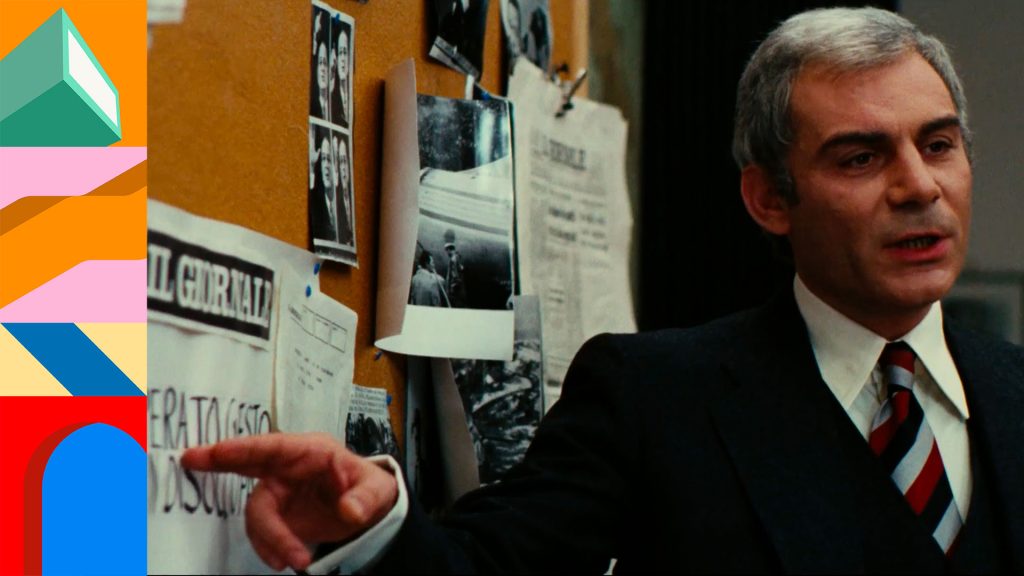







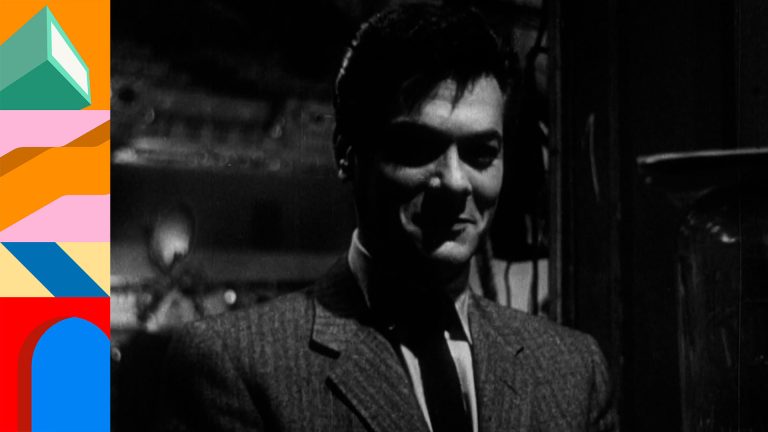








A right-wing newspaper launches a media campaign accusing a left-wing activist of the murder of a female student in order to influence the upcoming elections. But the culprit lies elsewhere. In the film, Volontè, quoting Umberto Eco, harangues one of his editors, persuading him that there is no such thing as neutrality in the news because, as he will say in the closing scene, even journalists are actively involved in the class struggle. Bellocchio, decades before Portobello, in this snapshot of the 1970s, with its surprising tension and vividness (smoke bombs, truncheons, riot police, forests of clenched fists at funerals, election banners of defunct parties fluttering between the buildings, and above it all the screams of Nicola Piovani’s synthesiser) constructs a prescient essay on manipulation: a problem that is more threatening today than it was then.
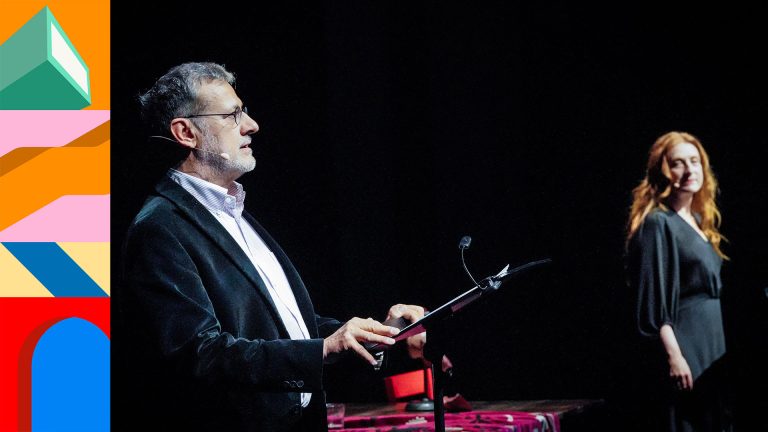
The film will be preceded by a conversation between Gaia Tortora and Mario Sesti and the screening of a video essay titled È la stampa bellezza! – III.