










Rome in the World
galleria KME
curated by Ricky Burdett
– for young people aged between 18 and 25 (not yet turned 25);
– for groups of 15 people or more;
– La Galleria Nazionale, Museo Ebraico di Roma ticket holders;
– upon presentation of ID card or badge: Accademia Costume & Moda, Accademia Fotografica, Biblioteche di Roma, Centro Sperimentale di Cinematografia, Enel (for badge holder and accompanying person), FAI Fondo Ambiente Italiano, Feltrinelli, Gruppo FS, IN/ARCH Istituto Nazionale di Architettura, Sapienza Università di Roma, LAZIOcrea, Palazzo delle Esposizioni, Amici di Palazzo Strozzi, Accademia Nazionale di Santa Cecilia, Scuola Internazionale di Comics, Teatro Olimpico, Teatro dell’Opera di Roma, Teatro di Roma, Università degli Studi di Roma Tor Vergata, Youthcard;
valid for one year from the date of purchase
– minors under 18 years of age;
– myMAXXI cardholders;
– on your birthday presenting an identity document;
– upon presentation of EU Disability Card holders and or accompanying letter from hosting association/institution for: people with disabilities and accompanying person, people on the autistic spectrum and accompanying person, deaf people, people with cognitive disabilities and complex communication needs and their caregivers, people with serious illnesses and their caregivers, guests of first aid and anti-violence centres and accompanying operators, residents of therapeutic communities and accompanying operators;
– MiC employees;
– journalists who can prove their business activity;
– European Union tour guides and tour guides, licensed (ref. Circular n.20/2016 DG-Museums);
– 1 teacher for every 10 students;
– AMACI members;
– CIMAM International Committee for Museums and Collections of Modern Art members;
– ICOM members;
– from Tuesday to Friday (excluding holidays) European Union students and university researchers in art history and architecture, public fine arts academies (AFAM registered) students and Temple University Rome Campus students;
– IED Istituto Europeo di Design professors, NABA Nuova Accademia di Belle Arti professors, RUFA Rome University of Fine Arts professors;
– upon presentation of ID card or badge: Collezione Peggy Guggenheim a Venezia, Castello di Rivoli Museo d’Arte Contemporanea, Sotheby’s Preferred, MEP – Maison Européenne de la Photographie;
– for young people aged between 18 and 25 (not yet turned 25);
– for groups of 15 people or more;
– La Galleria Nazionale, Museo Ebraico di Roma ticket holders;
– upon presentation of ID card or badge: Accademia Costume & Moda, Accademia Fotografica, Biblioteche di Roma, Centro Sperimentale di Cinematografia, Enel (for badge holder and accompanying person), FAI Fondo Ambiente Italiano, Feltrinelli, Gruppo FS, IN/ARCH Istituto Nazionale di Architettura, Sapienza Università di Roma, LAZIOcrea, Palazzo delle Esposizioni, Amici di Palazzo Strozzi, Accademia Nazionale di Santa Cecilia, Scuola Internazionale di Comics, Teatro Olimpico, Teatro dell’Opera di Roma, Teatro di Roma, Università degli Studi di Roma Tor Vergata, Youthcard;
buy online
valid from 3 February to 6 April
buy online
valid from 3 February to 6 April
– minors under 18 years of age;
– myMAXXI cardholders;
– on your birthday presenting an identity document;
– upon presentation of EU Disability Card holders and or accompanying letter from hosting association/institution for: people with disabilities and accompanying person, people on the autistic spectrum and accompanying person, deaf people, people with cognitive disabilities and complex communication needs and their caregivers, people with serious illnesses and their caregivers, guests of first aid and anti-violence centres and accompanying operators, residents of therapeutic communities and accompanying operators;
– MiC employees;
– journalists who can prove their business activity;
– European Union tour guides and tour guides, licensed (ref. Circular n.20/2016 DG-Museums);
– 1 teacher for every 10 students;
– AMACI members;
– CIMAM International Committee for Museums and Collections of Modern Art members;
– ICOM members;
– from Tuesday to Friday (excluding holidays) European Union students and university researchers in art history and architecture, public fine arts academies (AFAM registered) students and Temple University Rome Campus students;
– IED Istituto Europeo di Design professors, NABA Nuova Accademia di Belle Arti professors, RUFA Rome University of Fine Arts professors;
– upon presentation of ID card or badge: Collezione Peggy Guggenheim a Venezia, Castello di Rivoli Museo d’Arte Contemporanea, Sotheby’s Preferred, MEP – Maison Européenne de la Photographie;
buy online
valid from 3 February to 6 April
buy online with live musical performance
valid from 29 January to 1 February
buy online
– valid from 3 February to 6 April
– myMAXXI cardholders only
buy online with live musical performance
– valid from 29 January to 1 February
– myMAXXI cardholders only
buy online
valid from 3 February to 6 April
buy online with live musical performance
valid from 29 January to 1 February
buy online
valid from 3 February to 6 April
buy online
valid from 3 February to 6 April
book online
valid from 3 February to 6 April
book online with live musical performance
valid from 29 January to 1 February
– minors under 18 years of age;
– upon presentation of EU Disability Card holders and or accompanying letter from hosting association/institution for: people with disabilities and accompanying person, people on the autistic spectrum and accompanying person, deaf people, people with cognitive disabilities and complex communication needs and their caregivers, people with serious illnesses and their caregivers, guests of first aid and anti-violence centres and accompanying operators, residents of therapeutic communities and accompanying operators
MAXXI’s Collection of Art and Architecture represents the founding element of the museum and defines its identity. Since October 2015, it has been on display with different arrangements of works.

galleria KME
curated by Ricky Burdett

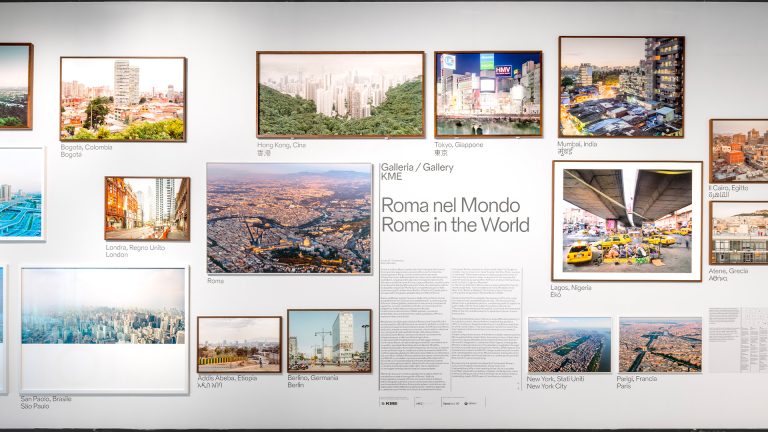
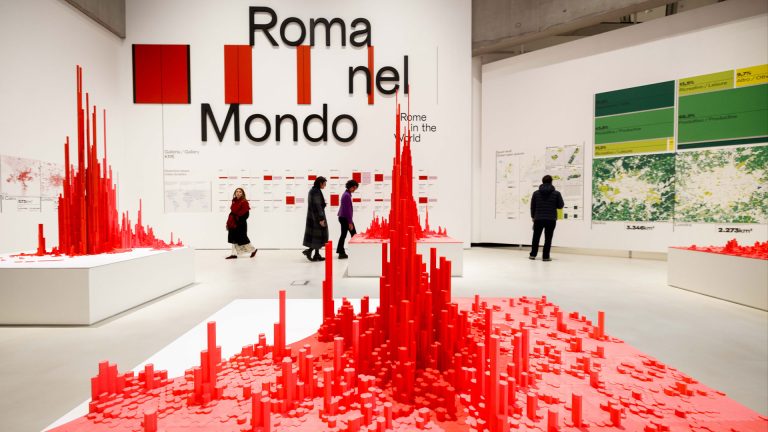
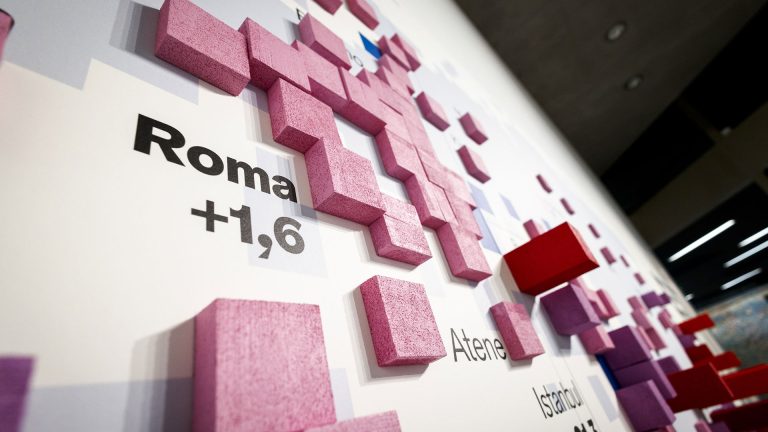
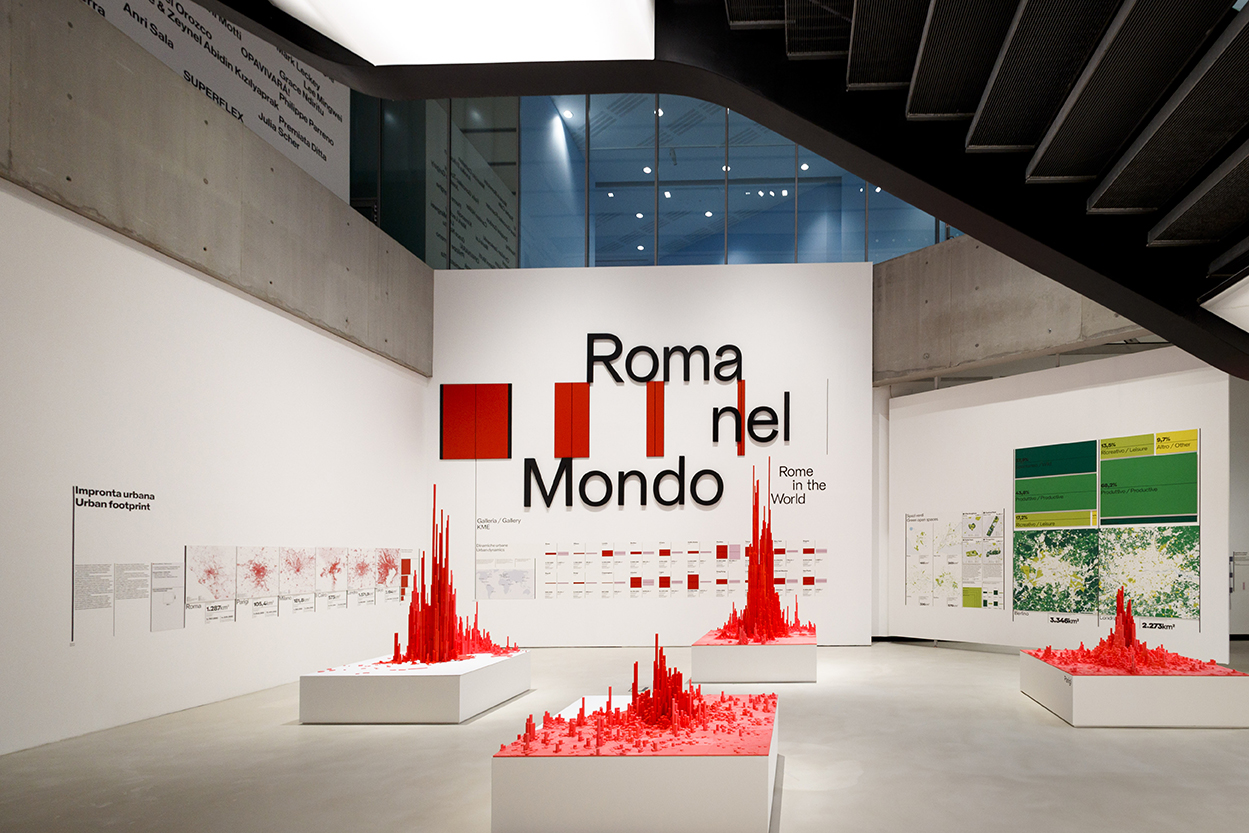
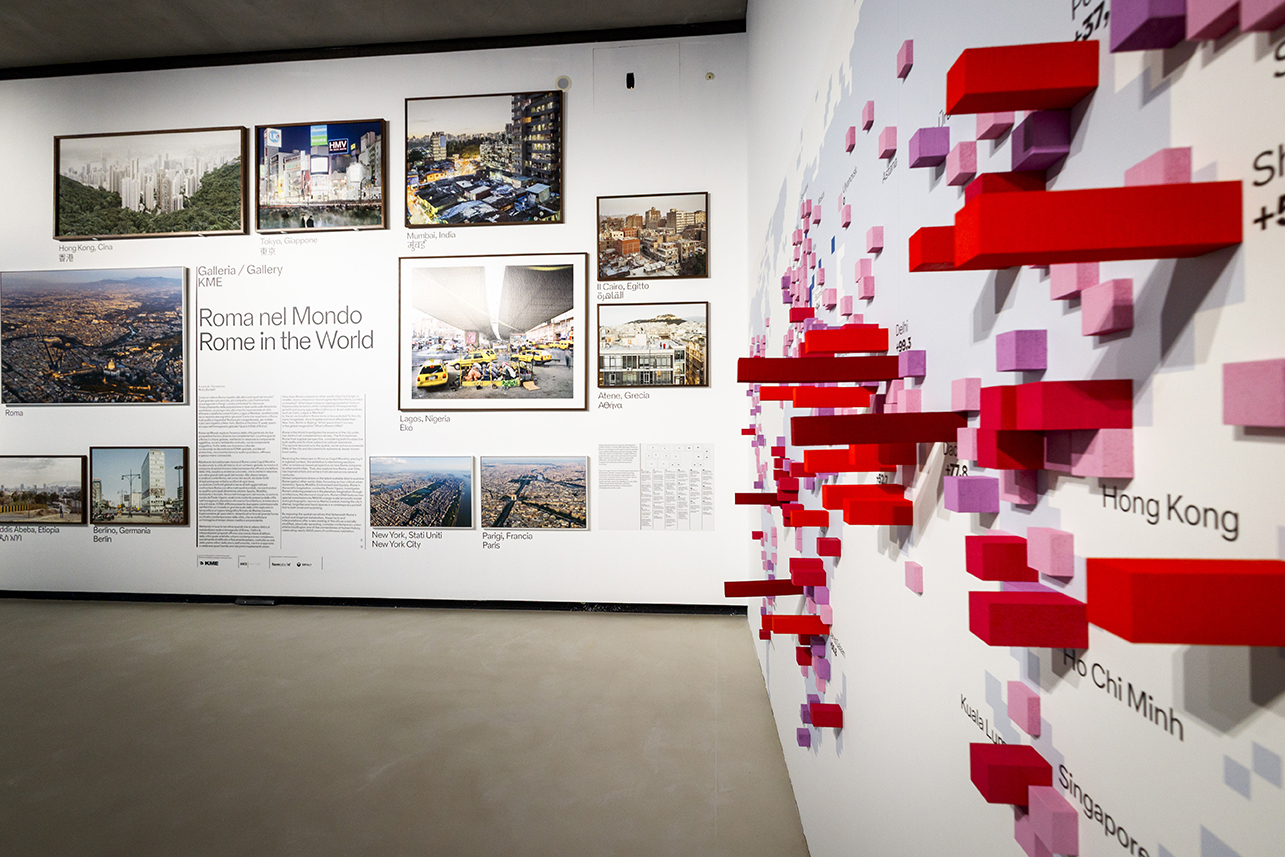
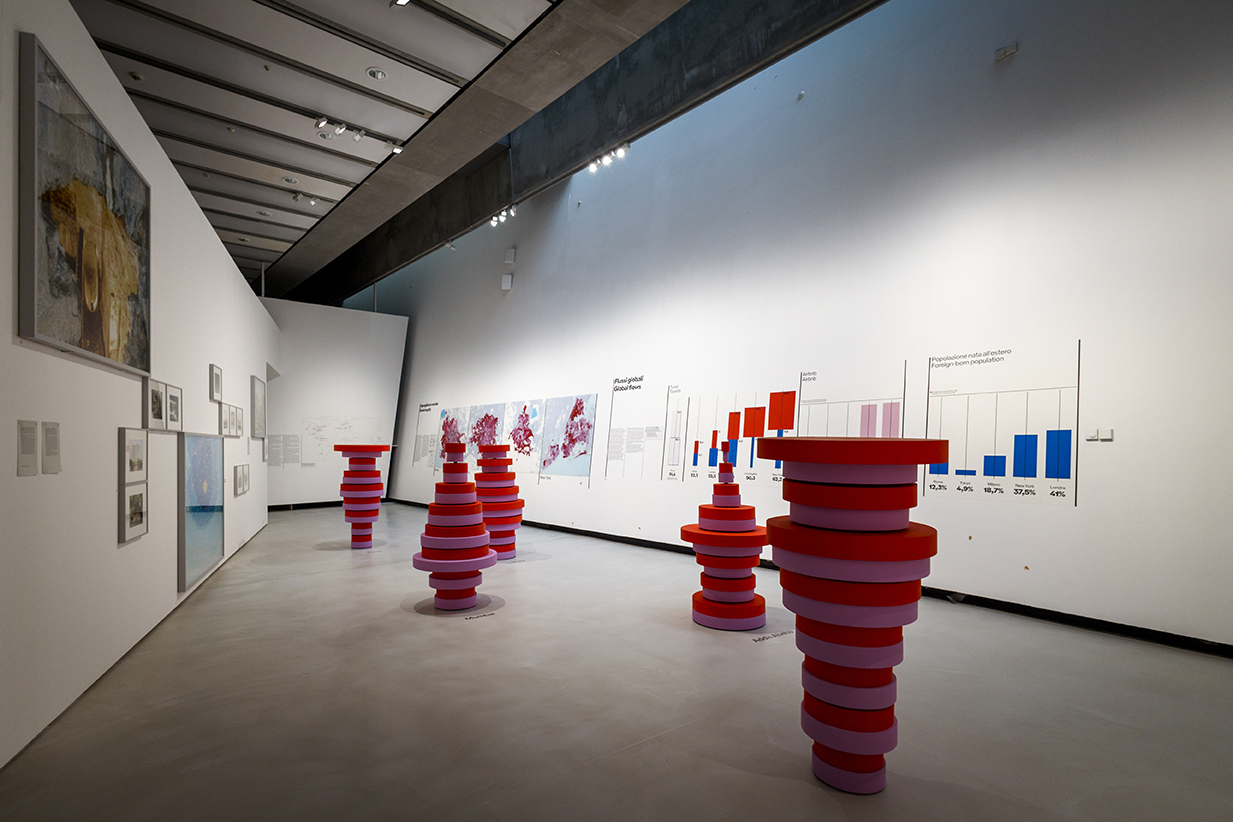
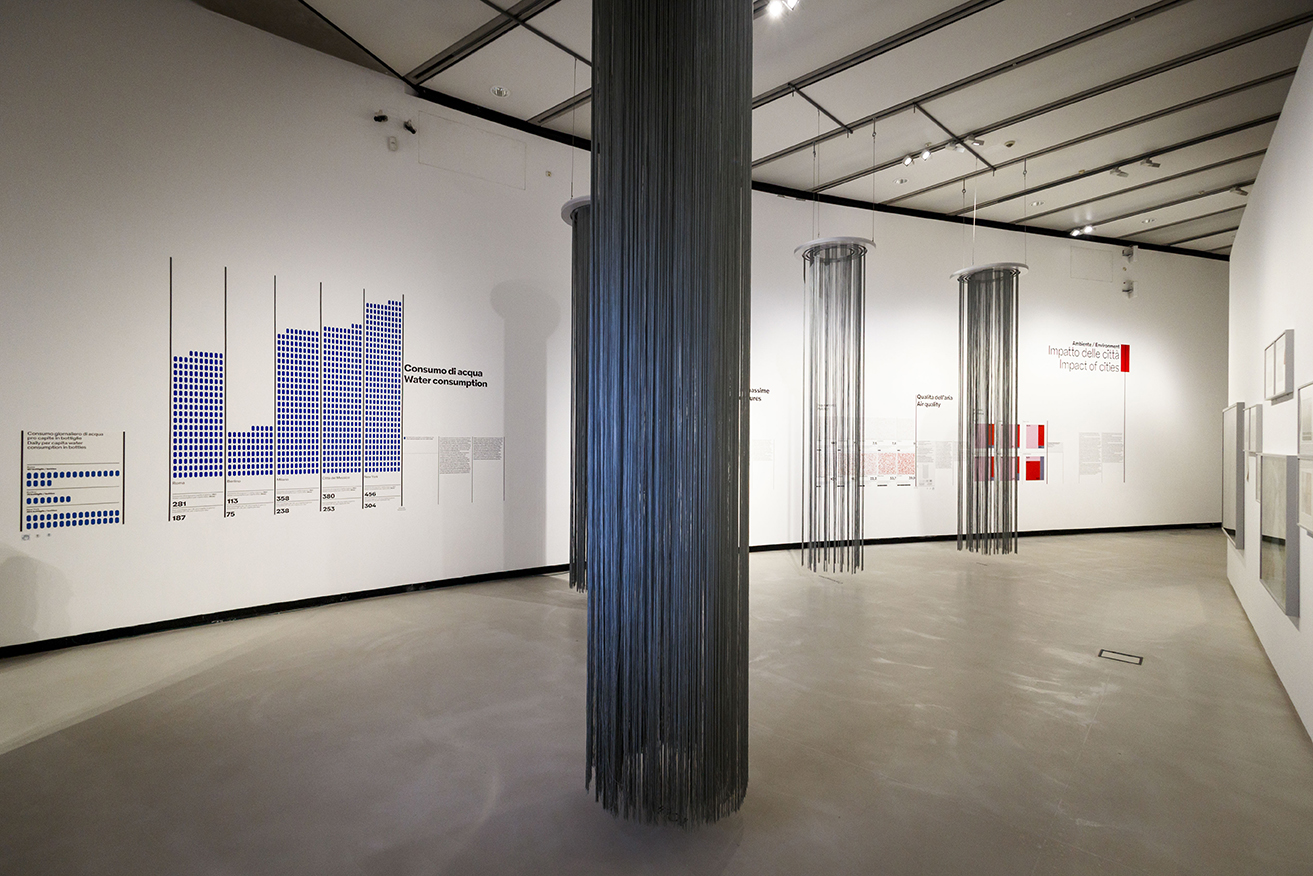
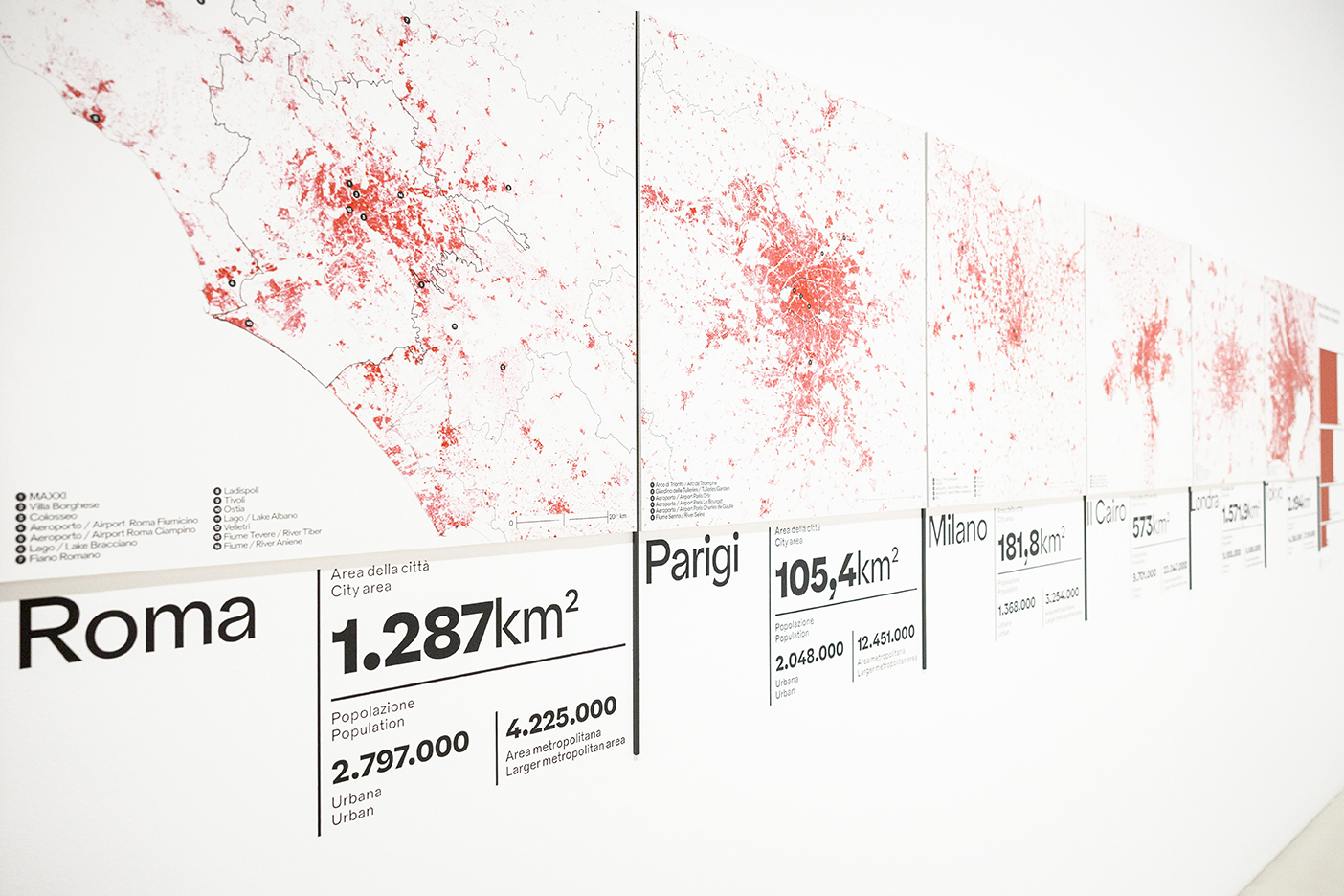
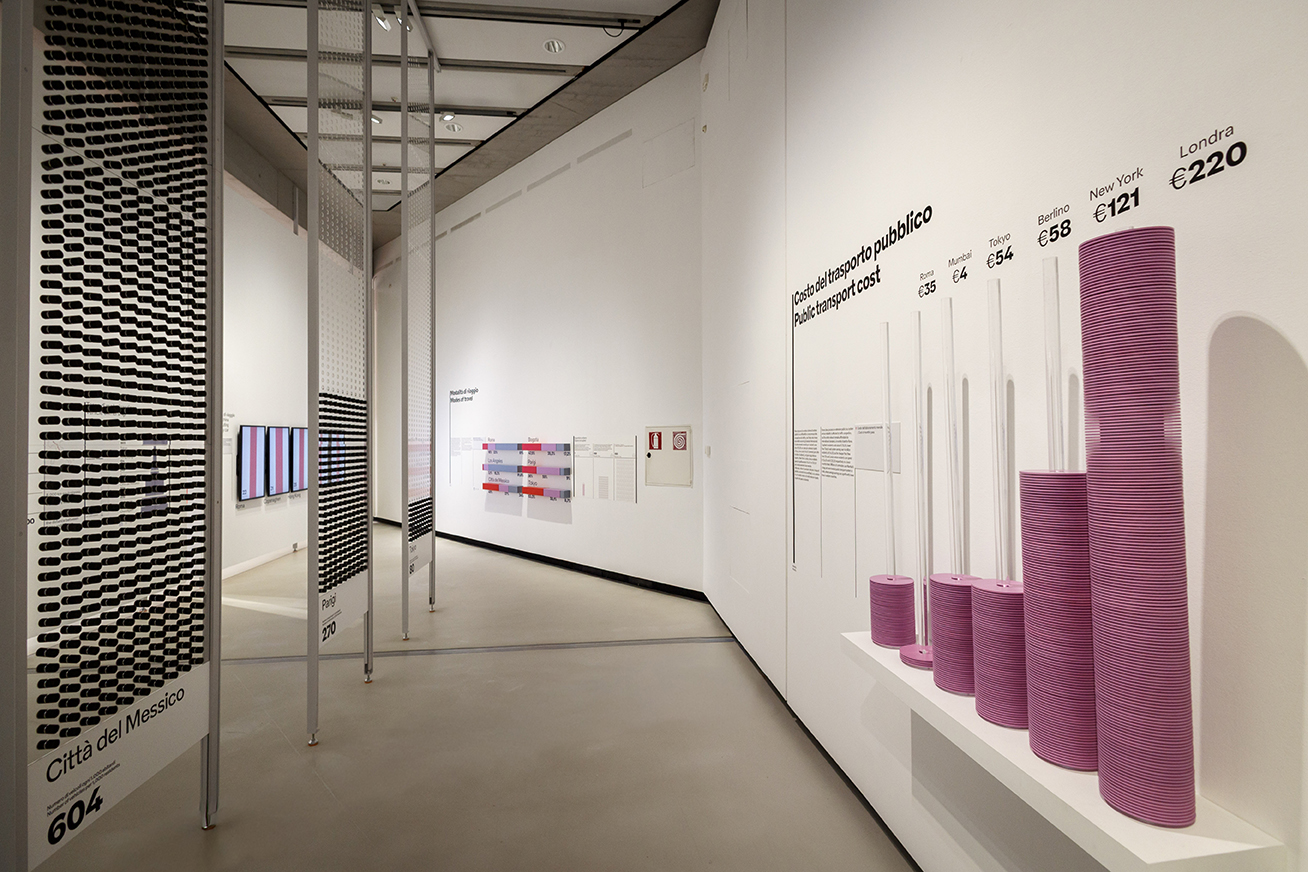
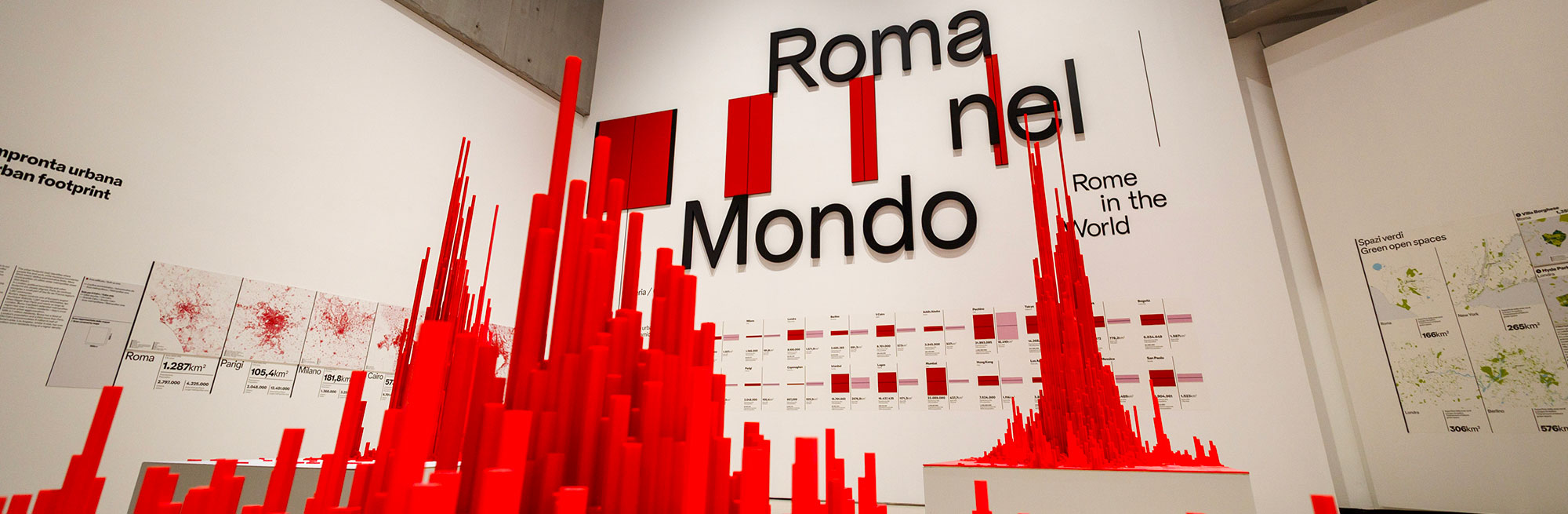
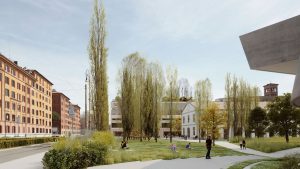
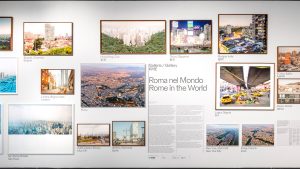
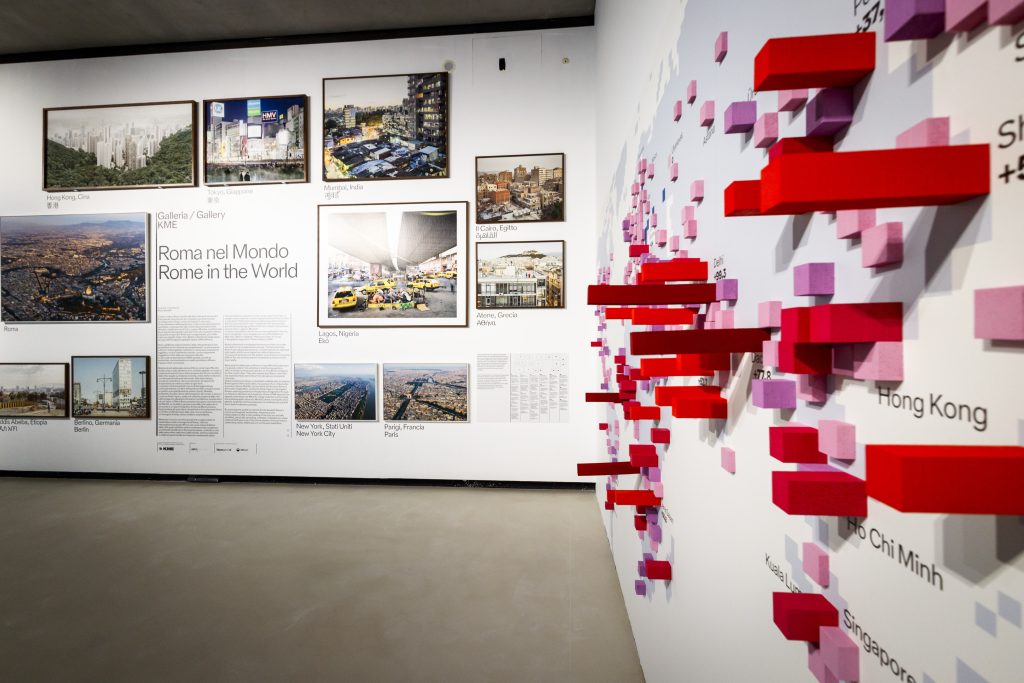
The first section of the exhibition compares Rome to other global cites in Europe, Asia, Africa and the Americas. It addresses the following questions by uncovering the key urban dynamics that shape the 21st century city: Space, Mobility, Environment and, Society.
· Space The way we inhabit our cities – where we live – has profound political, social and environmental consequences.
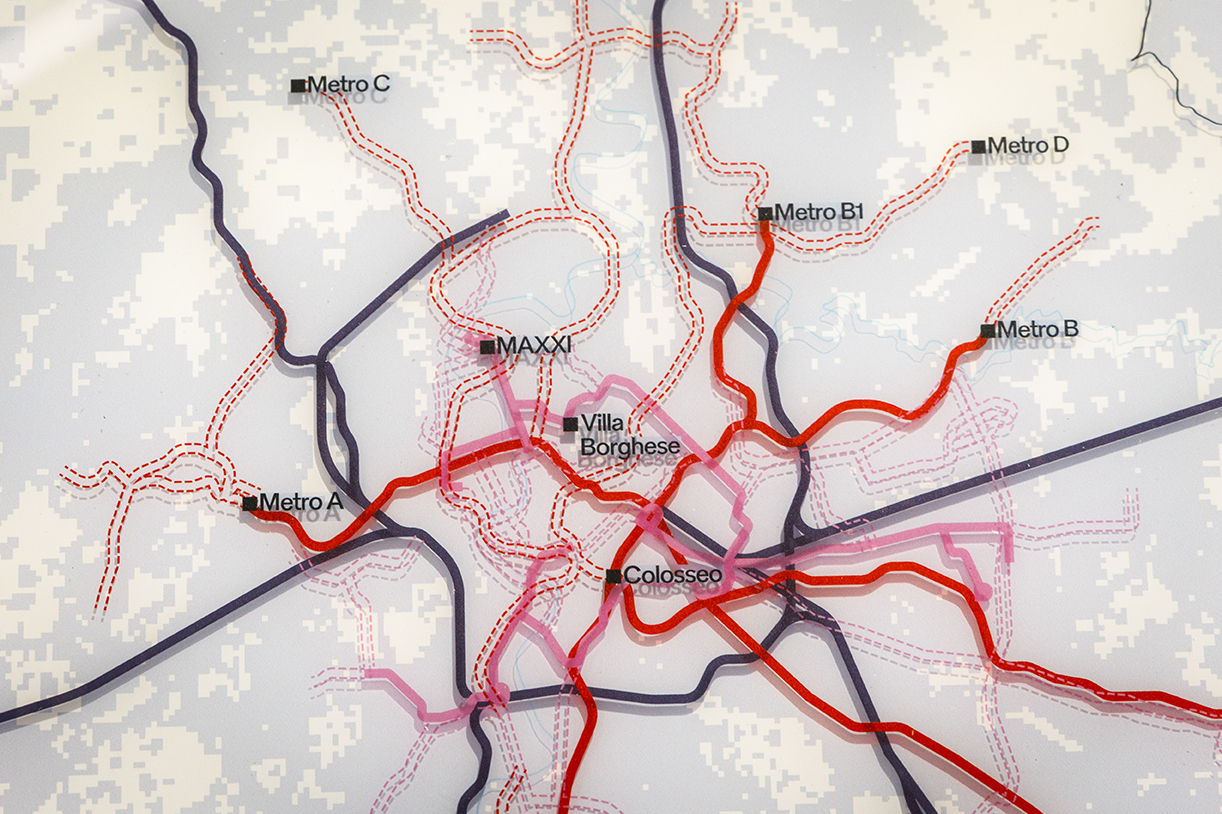
· Mobility How we move in cities impacts on their 81,6% efficiency, liveability and sustainability.
· Environment Cities consume massive amounts of energy and contribute over 75% of global CO2 emissions.
· Society How we live in cities can humanise or brutalise quality of life. One of the major challenges of cities today is to accommodate diverse social, economic and ethnic backgrounds while managing fluctuating birth rates and migration.
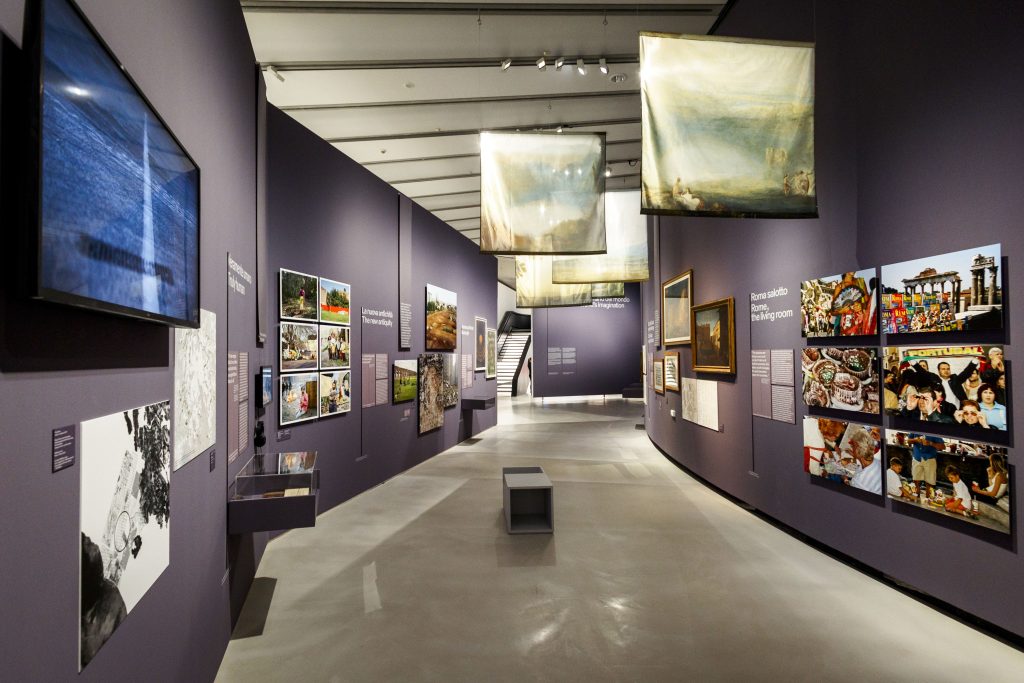
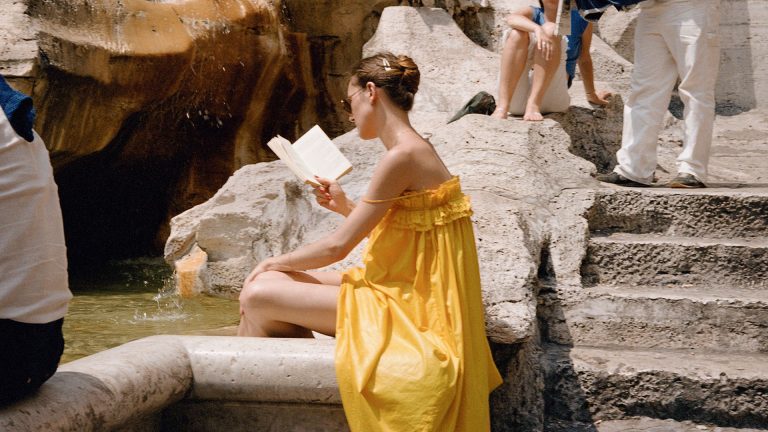
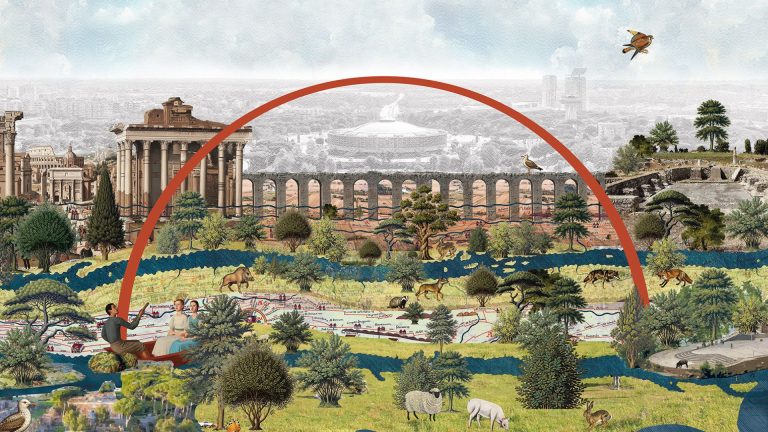
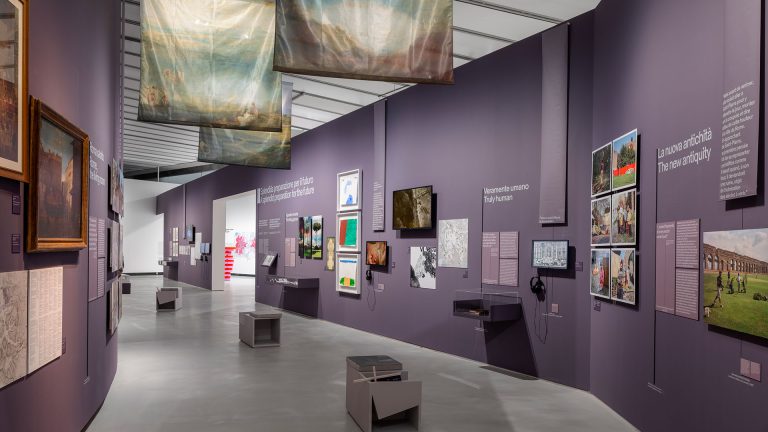
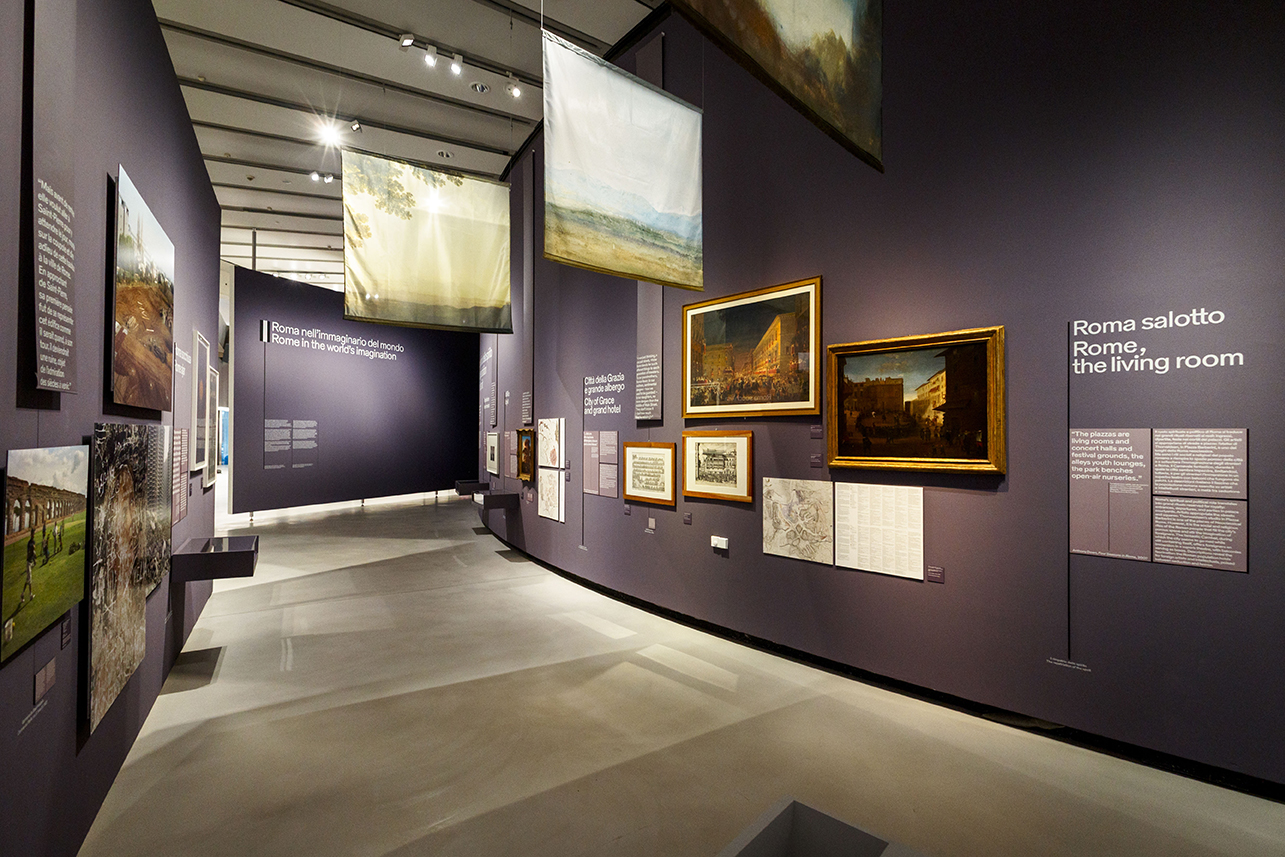
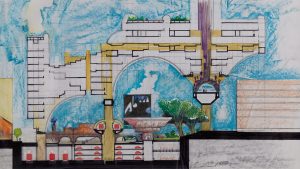
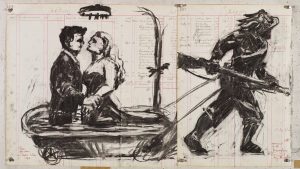
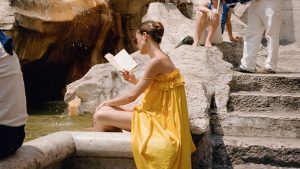
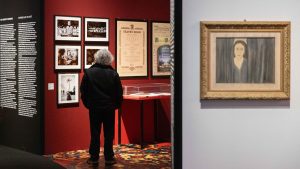
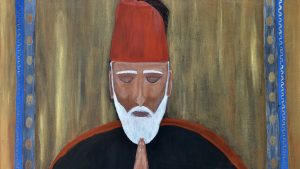
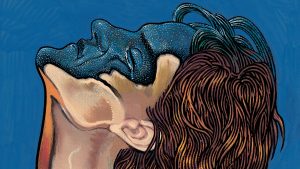
Rome and its landscapes occupy a significant place in the global collective imagination, forming the dominant narrative of this section of the exhibition. Journeys, interpretations, and mappings draw upon a wealth of iconographic material that captures the many images of Rome as seen by the rest of the world—their persistence, continuity, or abandonment: Rome in the world’s imagination. Which places and landscapes mark Rome’s presence in the collective imagination? What are the roots of the imaginaries shaped during the Grand Tour, when the ‘Journey to Italy’ culminated in Rome? What of the more recent imaginaries—those linked to migrant populations who find in Rome a place of welcome and work? Rome becomes a lens through which the world’s cultural traditions are interpreted, via its material and immaterial landscapes, and the representations and images of its space.
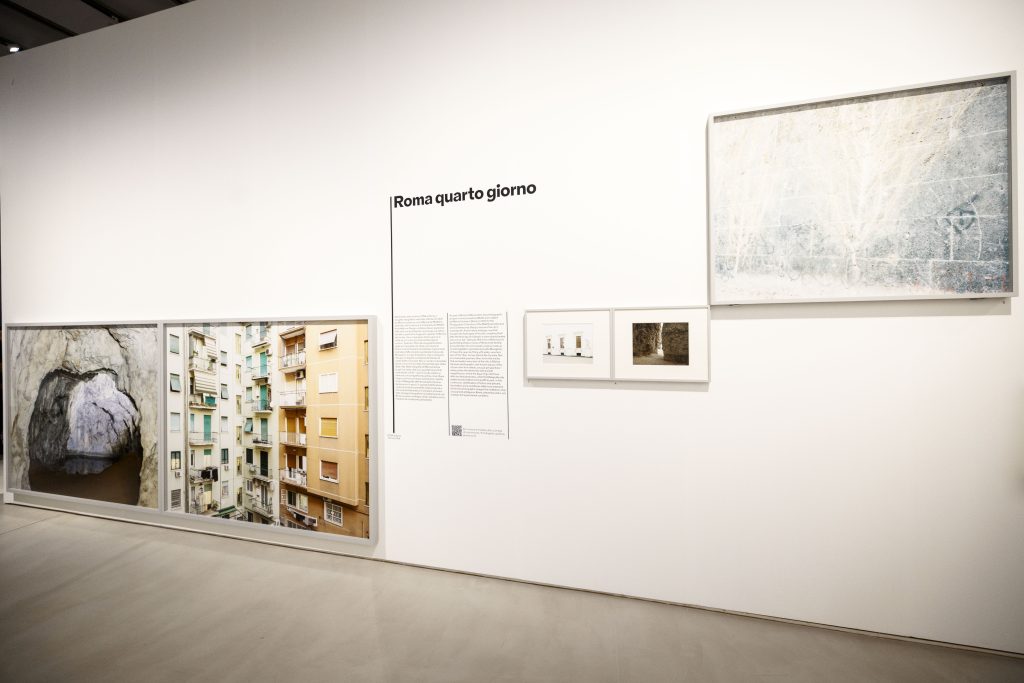
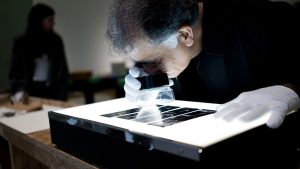
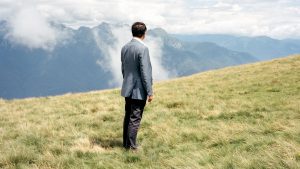
As part of Rome’s DNA section, the photographic project commissioned by MAXXI and created by Marina Caneve in Rome in 2025 for the Photography Collection of the MAXXI Architecture and Contemporary Design, explores the city’s everyday life. A wild nature emerges, one that escapes the hasty gaze of tourists, revealing itself after the third day of visiting to a more disenchanted yet curious eye. Taking its title from a 1970s tourist guide that portrays a vision of Rome both familiar and unfamiliar, the work reveals a nature made up of wild vegetation uprooted along the Muraglioni, of travertine quarries filling with water, vanished eels of the Tiber, horses behind the Corviale.
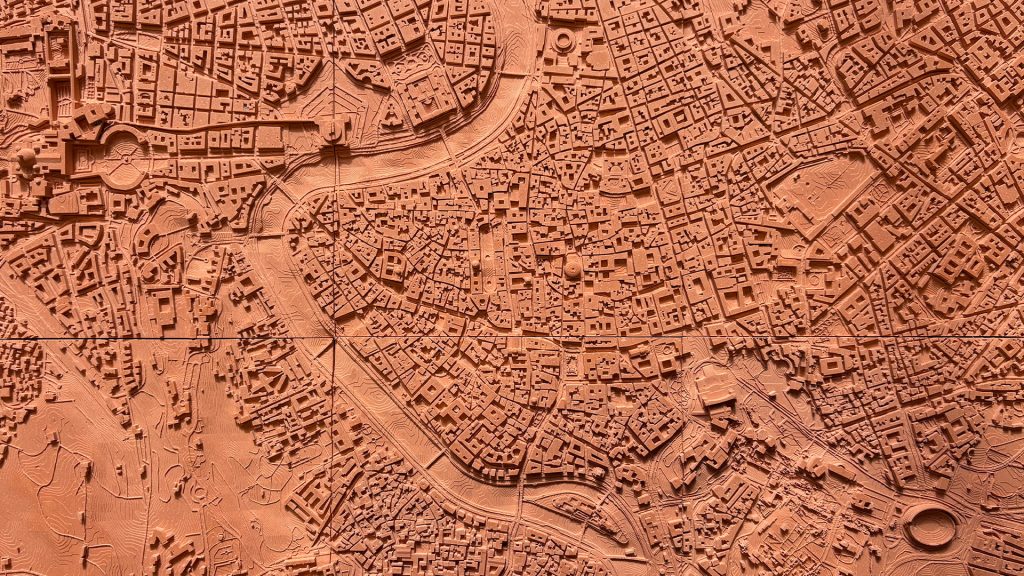
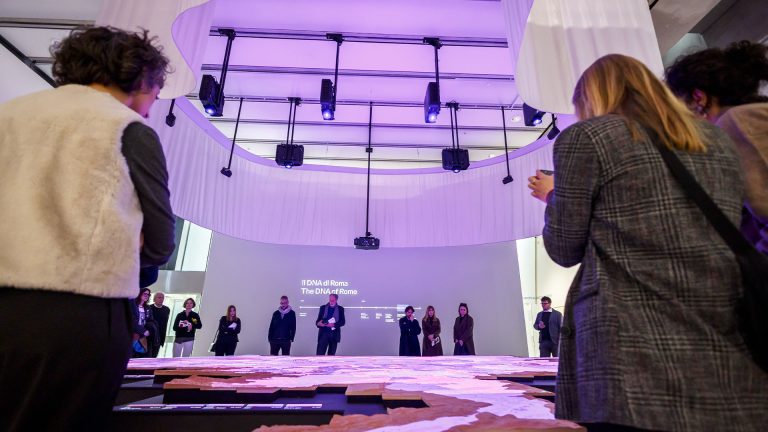
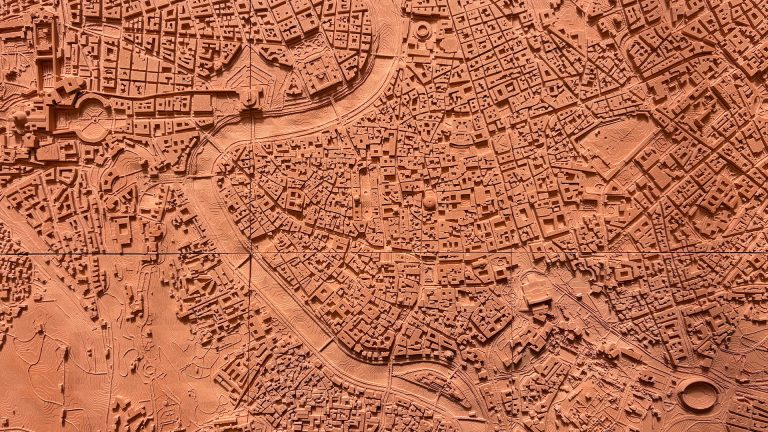
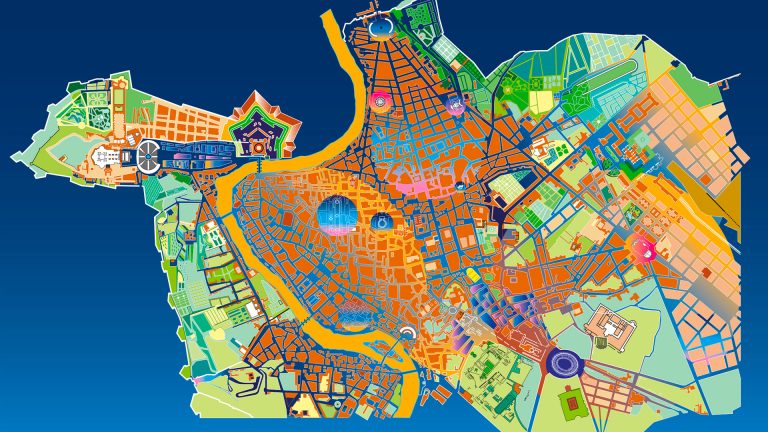
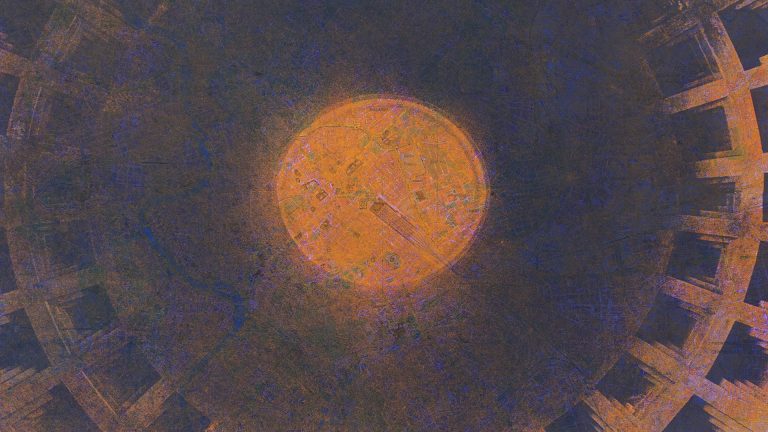
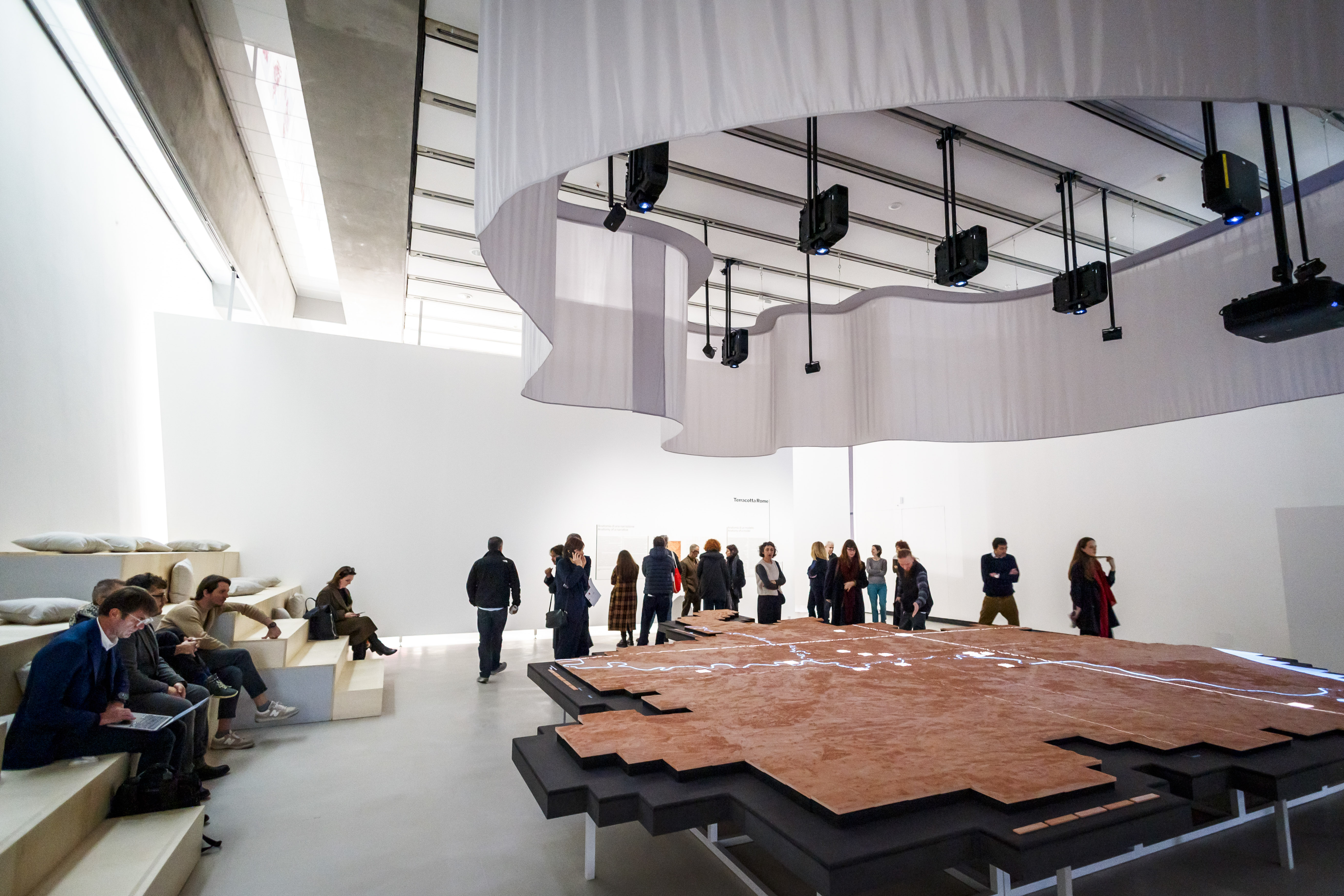
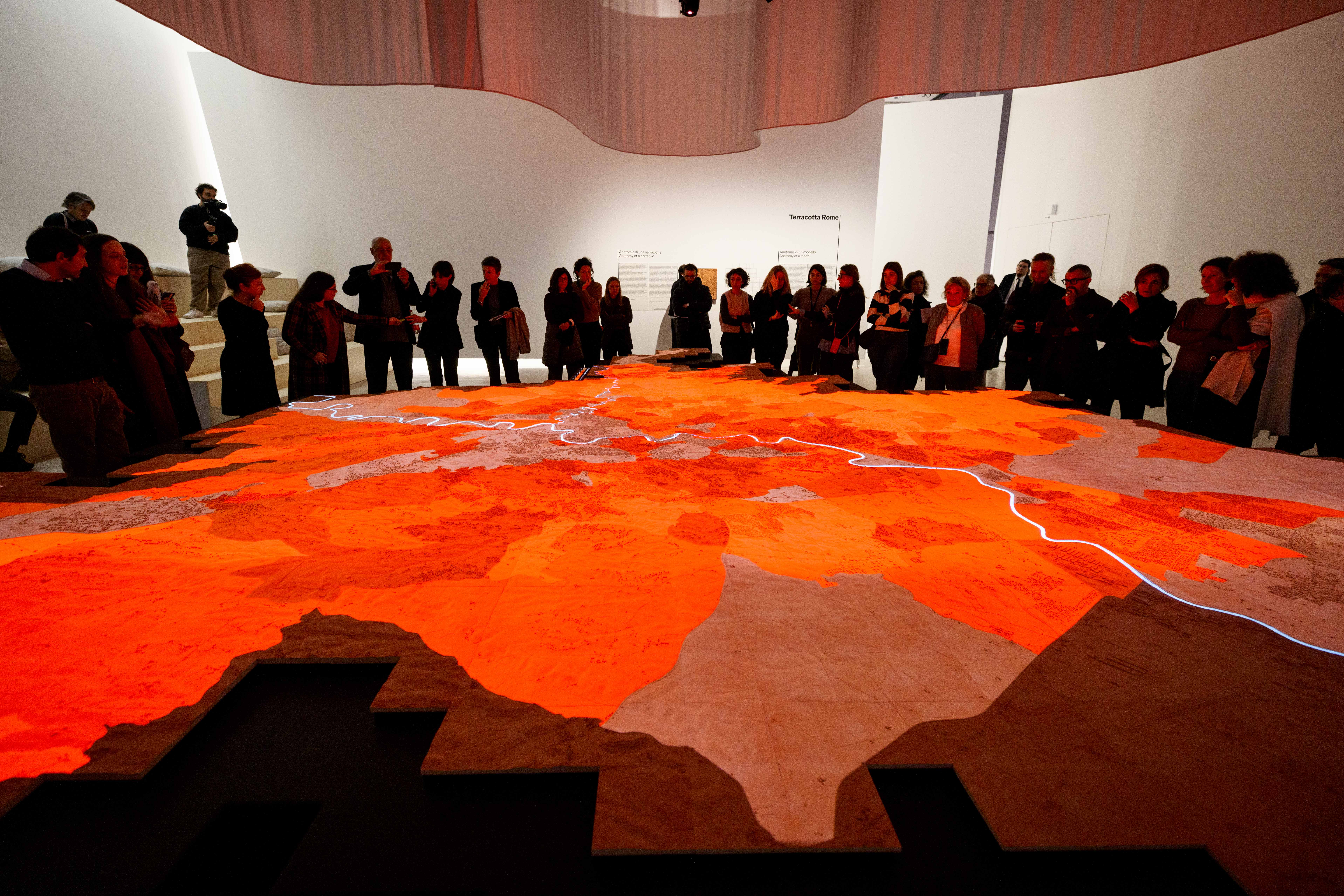
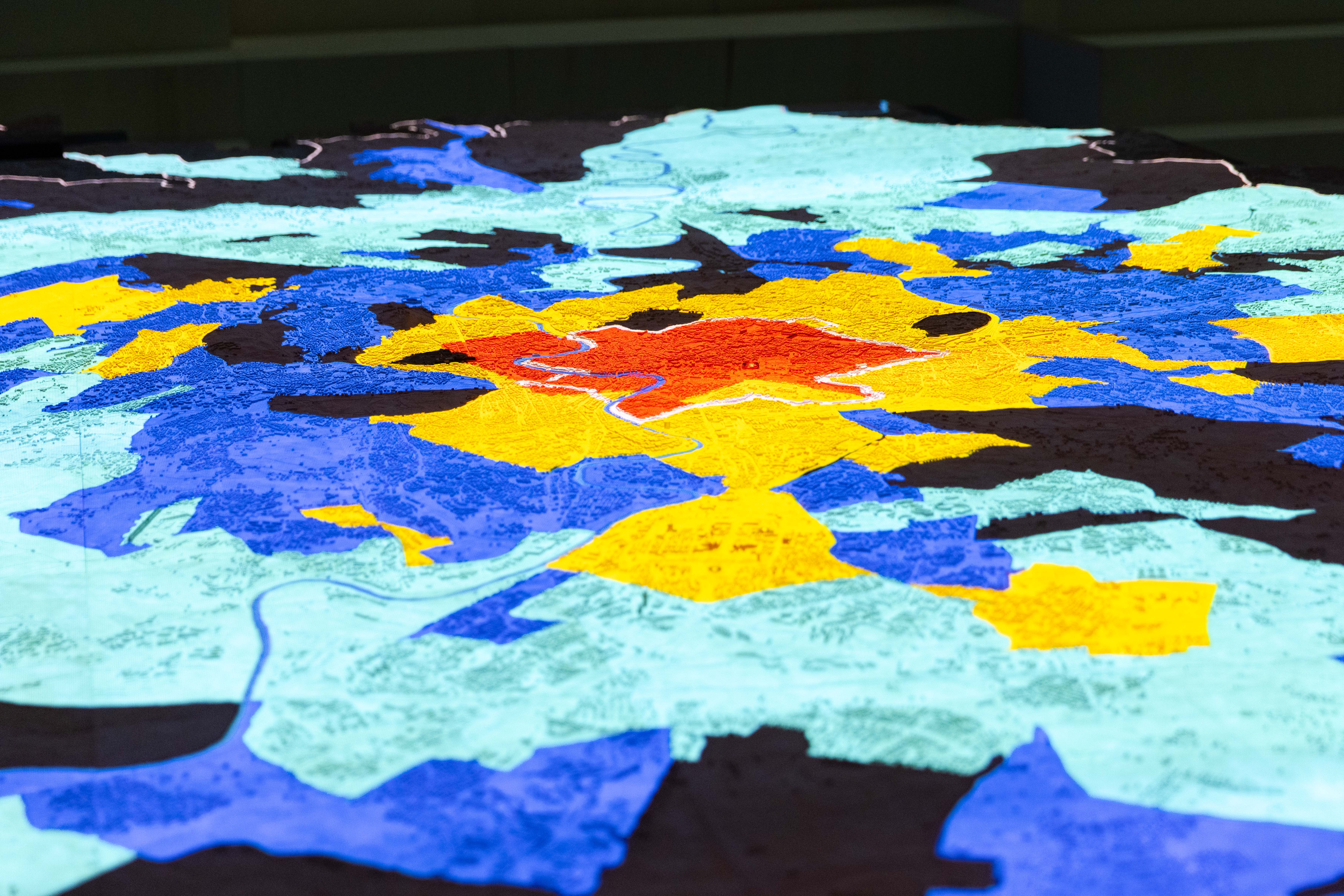
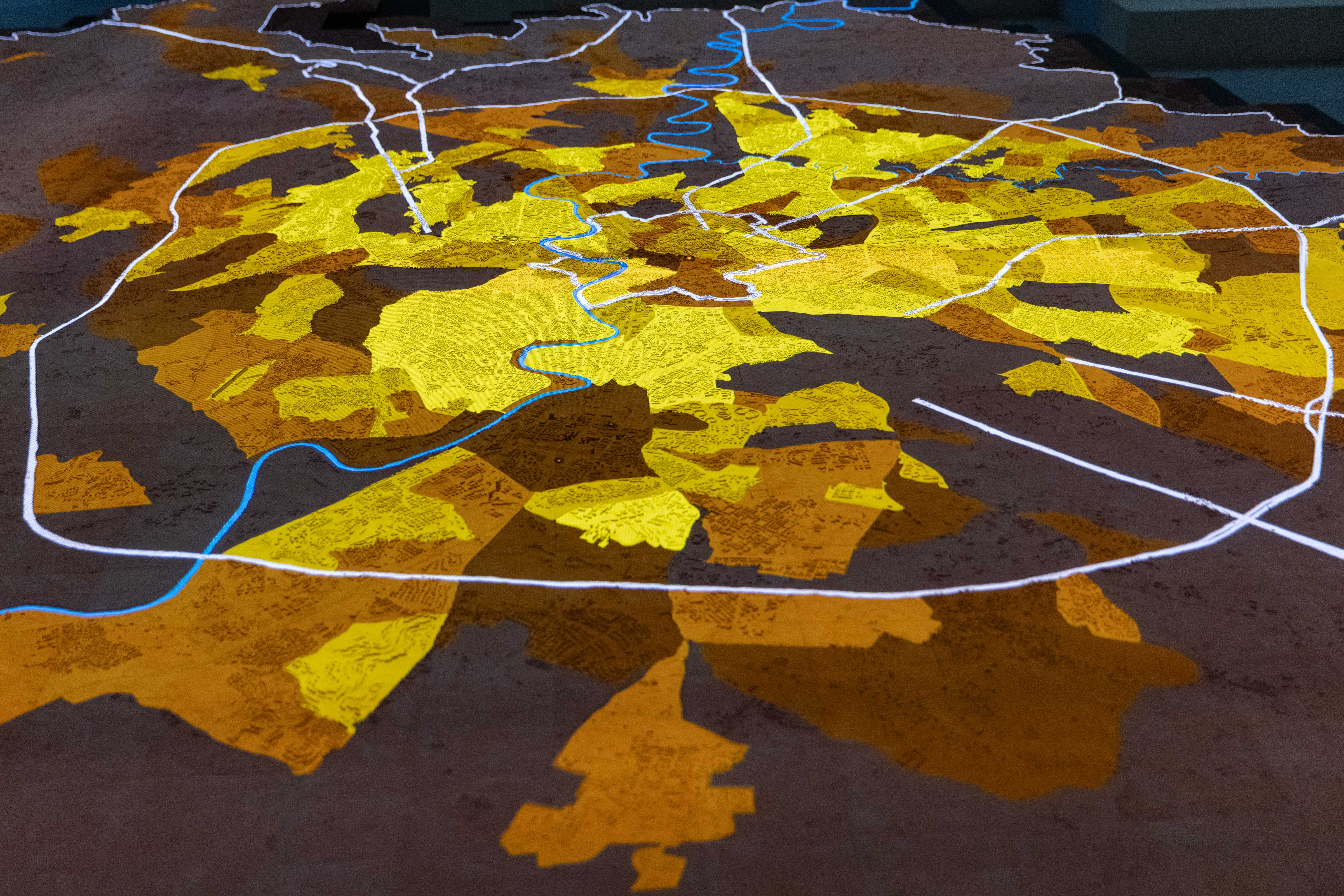
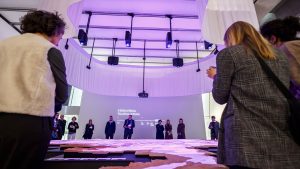
Who are the Romans of today, and where do they live? Which urban areas are greener or more built-up? Where do the elderly live, and where do families with young children settle? Is Rome a compact and uniform city, or is it dispersed and fragmented? In order to investigate these essential urban questions, the Museum commissioned and acquired in the MAXXI Architecture and Contemporary Design Collections, a physical model of the Municipality of Rome at 1:7,500 scale that acts as a canvas. Cast entirely in terracotta, this unique model showcases new data on the spatial, social, and environmental dynamics of the city. Data projections reveal hidden narratives beneath Rome’s contemporary urban structure that invite discovery and reflection. Documenting a century of urban development, the model and its narratives provides a tool to read the complex DNA of contemporary Rome. Rather than offer easy solutions, it provides a platform to comprehend the urban condition and imagine a more sustainable future.
concept by Ricky Burdett and Marco Galofaro, design and production by Modelab

A contradictory and complex urban ecosystem, as well as a unique historical and architectural unicum, Rome serves as a benchmark in the global evolution of cities.
However, despite this significance, its connection with other rapidly evolving cities remains mainly undocumented and even less understood.
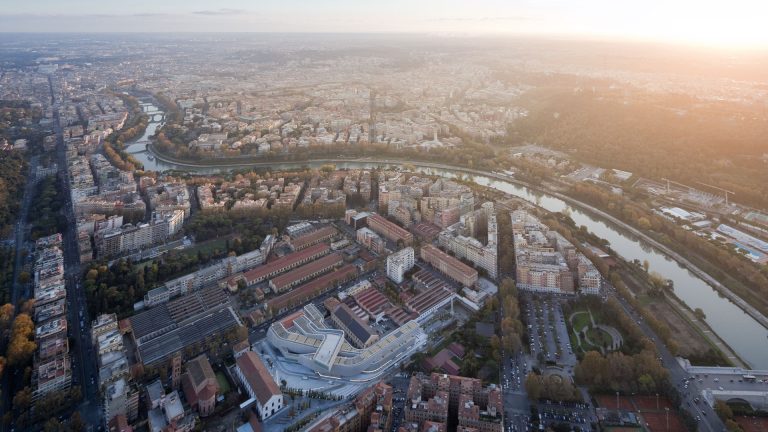
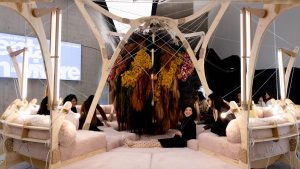
The exhibition explores the essence of the city, placing it in dialogue with seventeen global metropolises by comparing data and parameters related to city life and its inhabitants. It also explores how past-century artists, writers, and travellers perceived the Eternal City. It presents the perspectives of tourists, migrants, and scholars who experience and interpret the city today.
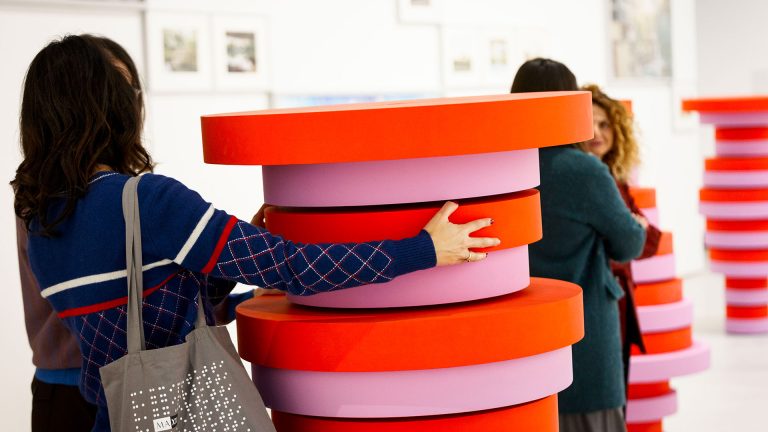
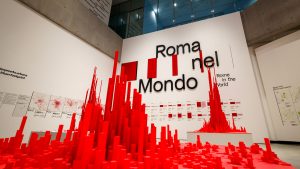
A mosaic of data, images, documents and works of art takes shape, complemented by an unpublished photographic project, part of the MAXXI Collection. At the centre, a large terracotta model of the Municipality of Rome becomes a platform for exploring the spatial, social and environmental relationships of the city.
Divided into three sections that interact with each other like chapters of a single narrative, the exhibition recounts Rome from complementary perspectives: Global Comparisons, Rome in the World’s Imagination and The DNA of Rome.
Global comparisons
Rome in the world’s imagination
Rome’s DNA – Roma quarto giorno
Rome’s DNA – Terracotta Rome
Cataloghi della mostra
2025 exhibition’s catalogue
Rome in the World